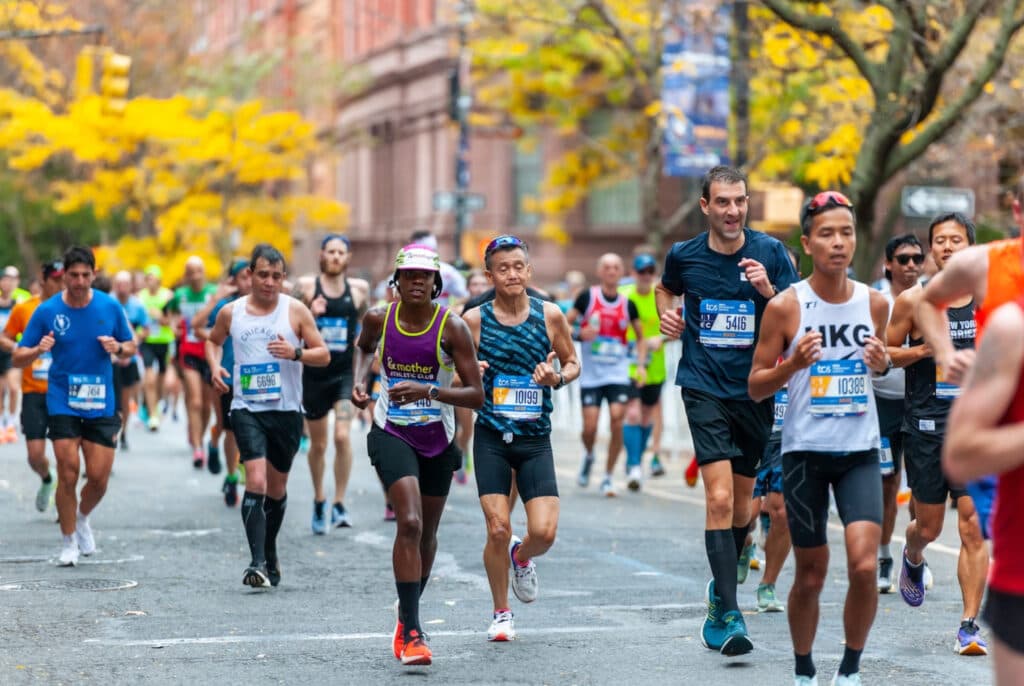
Running a marathon in a major city is a unique experience. The crowds, the landmarks, and the sheer scale of the event make it both exhilarating and challenging. Whether you are a first-timer or a seasoned marathoner, having a well-planned strategy can make the difference between a rewarding finish and a tough day.
Pre-Race Preparation
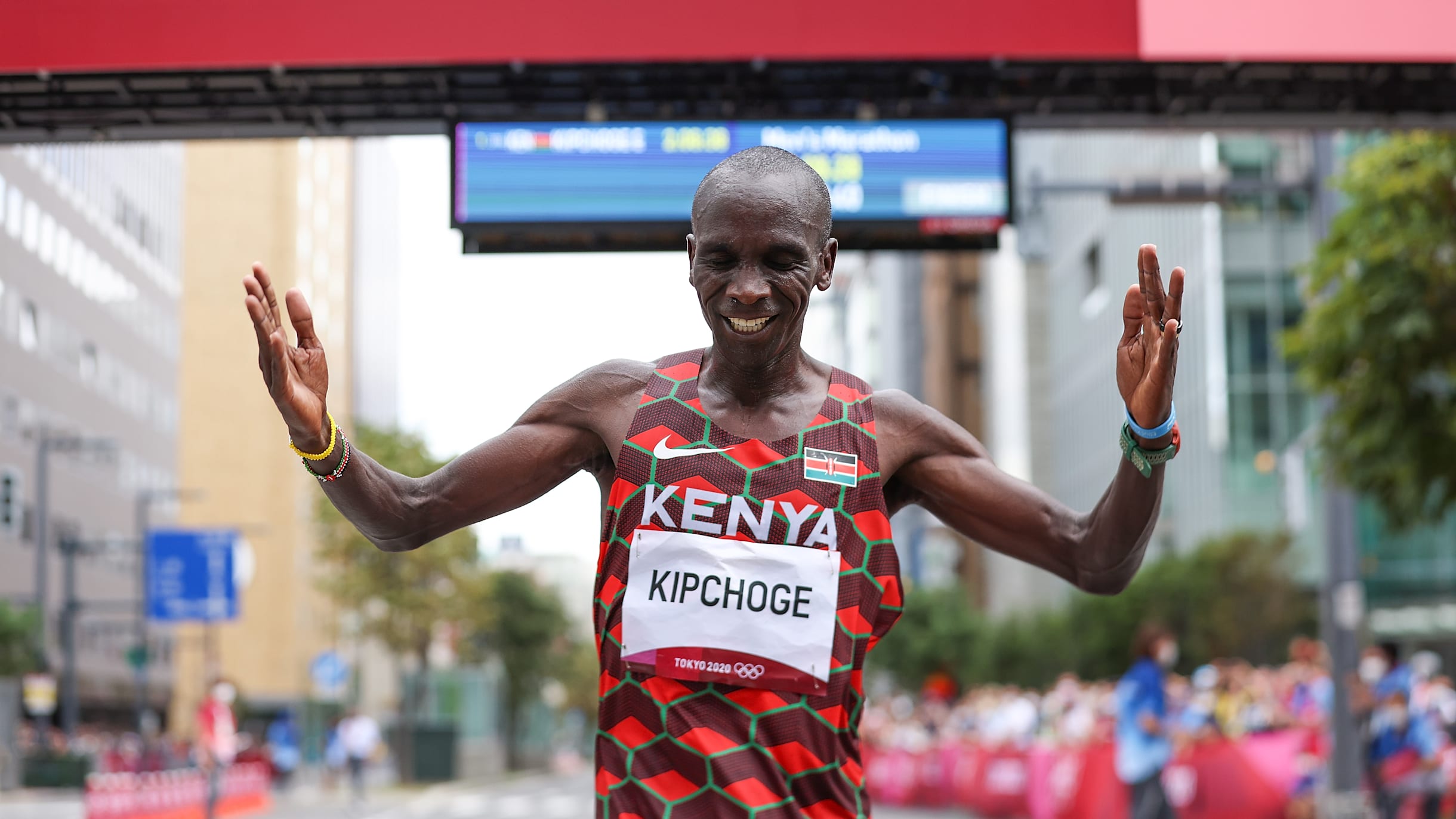
Preparation starts long before race day. Big-city marathons such as the New York City Marathon, Tokyo Marathon, or the London Marathon 2026 attract tens of thousands of participants, making organization and planning essential.
These iconic races wind through historic streets, famous landmarks, and cheering crowds, providing a once-in-a-lifetime experience for runners from around the globe. Understanding the route, aid station locations, and starting corrals ahead of time will help ensure a smoother and more enjoyable race day.
· Travel and Accommodation: Book your accommodation close to the start or finish line if possible. Traffic and road closures can add significant stress if you are staying far away. Many cities offer official hotels for runners, which also makes for convenient pre-race coordination.
· Nutrition and Hydration: Familiarize yourself with the aid stations along the route. Plan your breakfast to allow enough digestion time and practice your race-day nutrition strategy during long training runs. Carry energy gels or chews if needed, but avoid trying anything new on race day.
The Night Before
The night before a marathon is crucial for mental and physical preparation. Lay out all your gear, including bib, timing chip, clothing, and shoes. Avoid heavy meals too close to bedtime, and prioritize sleep. Big-city marathons can be noisy and chaotic, so consider earplugs or calming music to help you rest.
Race Morning Routine
Arriving early is essential in large urban races. Start with a light warm-up and dynamic stretches to loosen your muscles. Take note of bathroom locations and plan how long it will take to get to the start corrals. Keeping a calm and steady pace from the beginning prevents early burnout, especially in races with uphill sections or narrow streets.
· Clothing and Weather: Cities like Chicago or Berlin can be unpredictable in terms of weather. Layering is key; start cool and adjust as needed. Remember that iconic marathons often attract international participants, meaning the start line can be crowded and slower than expected.
· Pacing Strategy
· One of the biggest mistakes runners make in big-city marathons is starting too fast due to adrenaline or crowd energy. Stick to the pacing plan you practiced during training. Use mile or kilometer markers to monitor your pace and adjust if necessary.
· Mental Milestones: Break the race into smaller segments using landmarks, bridges, or city squares. Celebrating mini-milestones helps maintain motivation and keeps your mind focused on progress rather than the daunting total distance.
Fueling During the Race
Proper hydration and fueling are critical. Most major city marathons provide water, sports drinks, and gels along the course. Practice your race-day fueling in training, and don’t wait until you feel depleted to take in calories or fluids.
· Avoid Distractions: While it’s tempting to soak in the sights of famous landmarks, don’t let sightseeing interfere with your breathing and rhythm. Capture memories after crossing the finish line or during a cool-down walk.
Finishing Strong
The final miles in a major city marathon are often the most challenging. Use mental techniques such as positive self-talk or visualization to push through fatigue. Maintain form as best as possible, and if you have saved energy, consider a strong finish in the last kilometer.
· Post-Race Recovery: After crossing the finish line, prioritize hydration, a light snack, and gentle stretching. Big-city marathons often have extensive recovery areas, including massage tents and medical support.
Making the Most of the Experience
Marathon day in any major city is not just about finishing; it’s about enjoying the energy and excitement around you. From cheering crowds to scenic routes, soak in the atmosphere while staying focused on your strategy. Planning ahead and following a structured race-day plan can turn the experience into a memorable achievement.