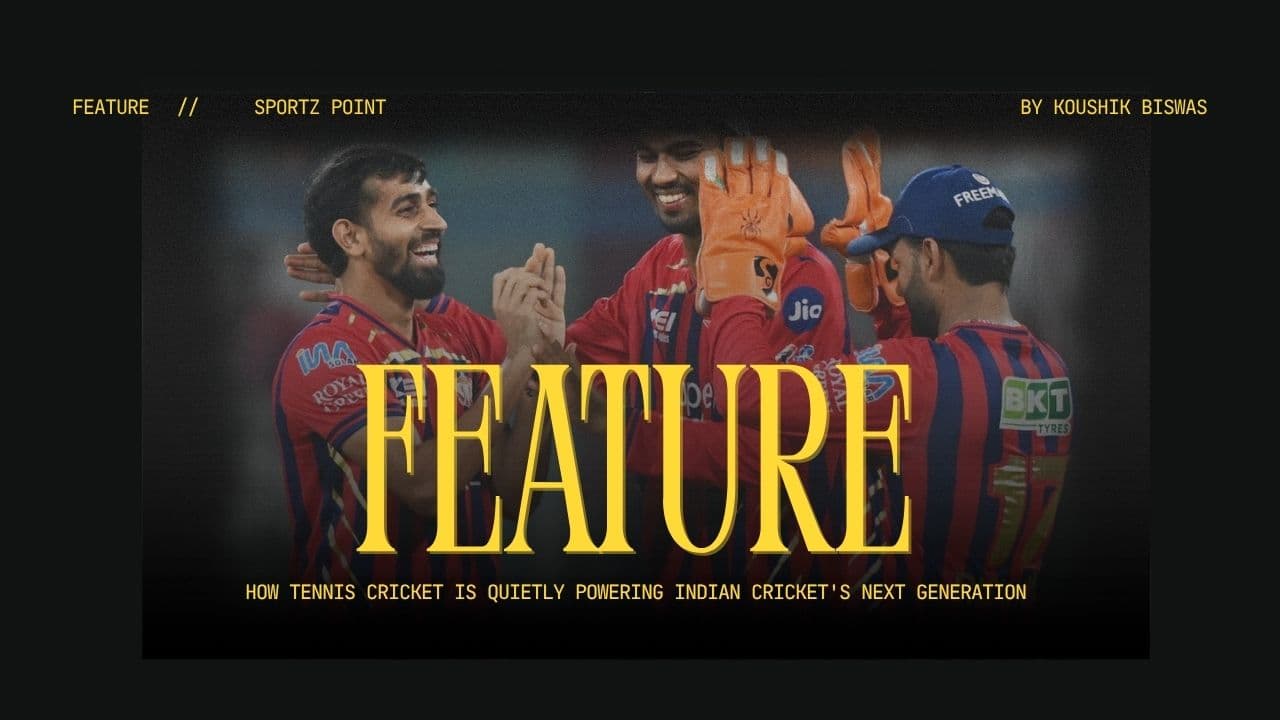
When Prince Yadav received his maiden India ODI call-up for the Afghanistan series in May 2026, the headlines celebrated a 24-year-old fast bowler from a village near Najafgarh, Delhi. What the headlines did not fully tell you was that until the age of 17, Prince Yadav had never even touched a leather ball. He had built everything, his speed, his arm action, his variations, his yorkers on a tennis cricket ball, in open fields, in local tournaments that nobody outside his village knew existed.
"Playing tennis-ball cricket helped me a lot," Prince told ESPNcricinfo, "because the tennis ball is very light and you have to hit it hard into the pitch to get speed and bounce. Because of this, my arm speed became very fast, and it helped me in bowling hard-length deliveries."
Prince Yadav is not an exception. He is the latest in a growing line of Indian cricketers who made their first strides on dusty patches with a tennis ball, who honed craft in tournaments that offered little glory but immense education, and who ultimately forced their way into the highest levels of the game.
From the mystery spinner Varun Chakravarthy to the yorker king T Natarajan, from Bengal's Test pace sensation Akash Deep, Hyderabad’s star Mohammed Siraj, to the legend of all legends MS Dhoni, Indian cricket's debt to the tennis ball is enormous, long-standing, and still growing.
This is the story of that world. And why it matters more today than ever before.
Tennis cricket and leather-ball cricket: understanding the difference
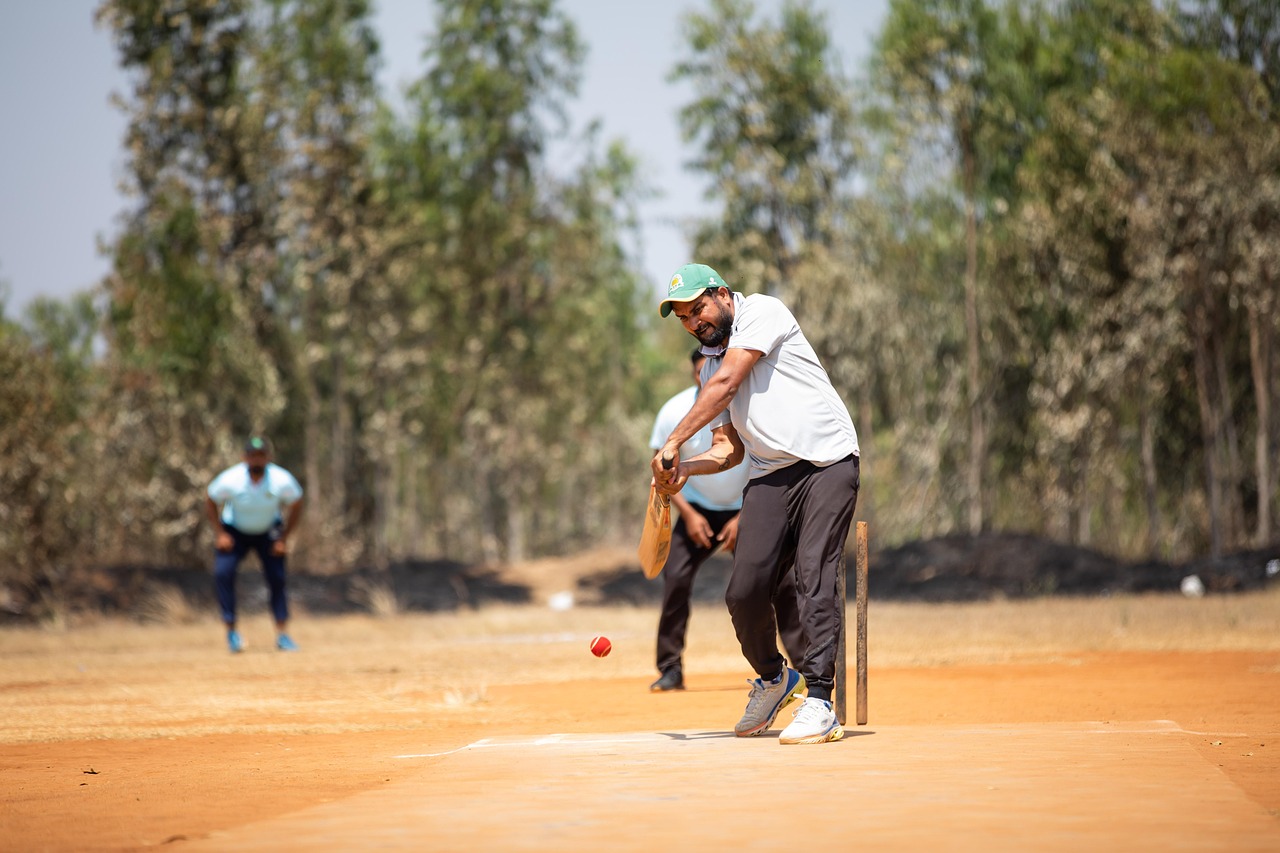
Before understanding what tennis cricket gives players, it is worth understanding what it is. Tennis ball cricket is played with a rubber-coated tennis ball instead of a hard leather cricket ball.
Matches are typically short, ranging from six-over games to T10 and T20 formats. Pitches are often concrete, tarmac, or raw soil.
What it is, in essence, is cricket stripped down to its most raw and improvisational form.
The first thing is that the tennis ball bounces differently from a leather ball. It comes onto the bat quicker on hard surfaces. Moreover, it does not swing in the same way.
For batsmen, it demands quick reactions and wrist power, since the ball stays low and skids through. For bowlers, the absence of seam movement and swing means pace alone is rarely enough.
To take wickets, bowlers must develop variations like slower balls, cutters, subtle changes in pace and angle. The surface rewards those who bowl hard into the pitch.
To get success as a bowler, the arms must be fast. And, sometimes, you might have to hit the yorker length in every ball of the over.
These are precisely the skills that white-ball cricket in the modern era demands. T20 and ODI cricket punish one-dimensional fast bowlers who can only hit the hard length. It rewards those who can swing the new ball, bowl the yorker, produce a slower ball at will, and deceive a batsman with a change of pace.
Tennis cricket, without even intending to, functions as a training ground for exactly these qualities.
This is why, time and again, the bowlers who emerge from tennis cricket backgrounds arrive in professional cricket with an unusually diverse toolkit.
Why do bowlers benefit most?
There is a reason why the cricketers who have made it from tennis cricket backgrounds are mostly bowlers. The dynamics of tennis cricket naturally develop the skills that separate good white-ball bowlers from great ones.
When you bowl a tennis ball, the surface is often fast and true. Batsmen are attacking from ball one in six-over games, and there is no time to settle.
If a bowler bowls a full, straight ball, it gets hit. If they bowl short, it gets pulled. The only way to survive, and the only way to take wickets, is to develop deception and rattle the stumps with yorkers.
Slower balls, cutters off the pitch and subtle variations in run-up and release are necessities of tennis ball cricket.
The tennis ball also rewards fast arm speed and a high, clean action.
Since the ball does not swing, the bowler must generate enough pace in the air and off the pitch. And this came only through good biomechanics.
TALENTS ALWAYS SHINE ⭐
— Harshit (@I_am_Harshit_17) May 17, 2026
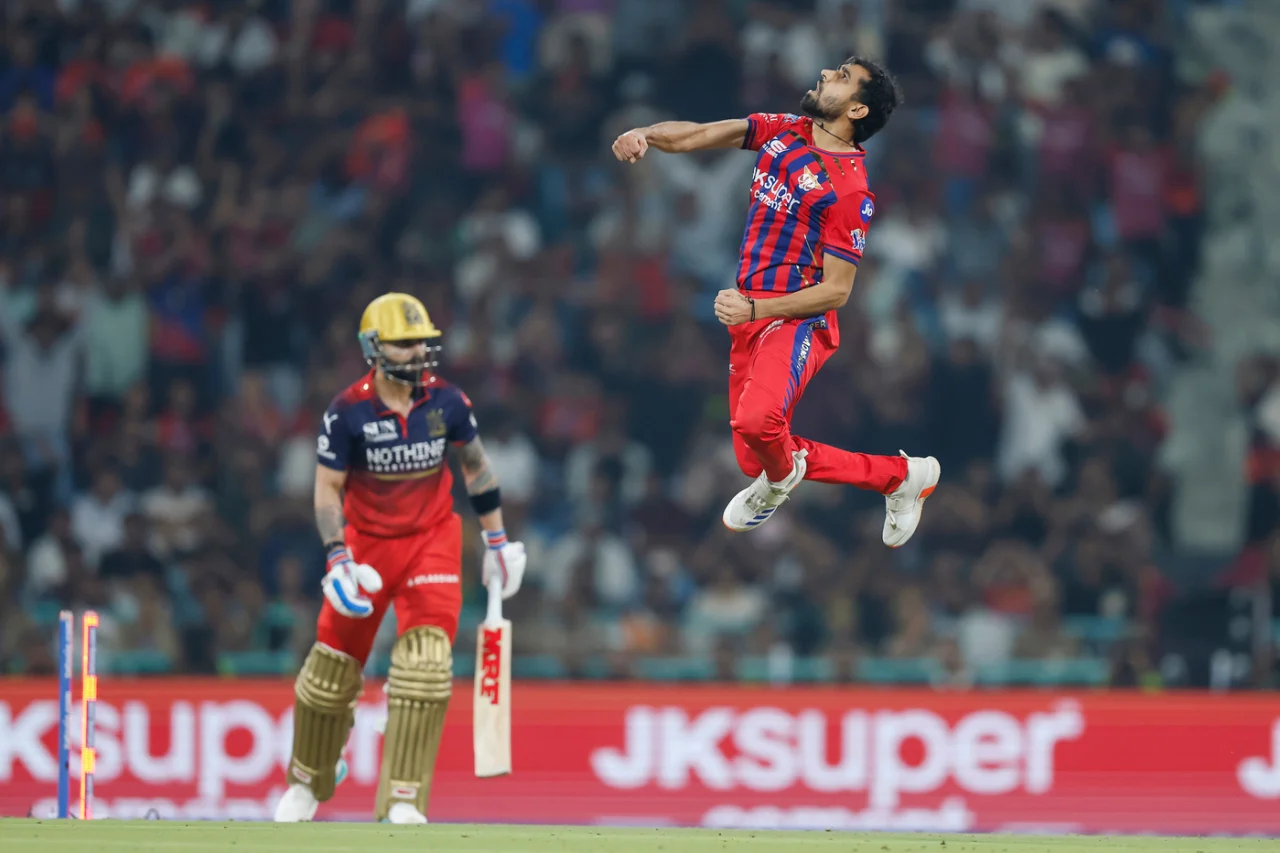
Prince Yadav, who is now making headlines in the IPL with his brilliant bowling and after dismissing Virat Kohli for a duck, used to play local village tournaments where he bowled with a tennis ball for matches worth just ₹400.
You’ve got to respect… pic.twitter.com/HVKRH6MwiS
The broader cricket ecosystem has slowly begun to recognise this. Variations, yorkers, cutters, change of pace, which are the most prized skills in IPL and international white-ball cricket, are the exact skills the tennis cricket circuit has quietly been manufacturing for decades across India's towns, villages, and back lanes.
Most importantly, it teaches the bowlers to bowl under pressure. Three thousand people watching you from just inches away from the boundaries, pressure to win tournaments and ensuring you’re worth every penny spent on you builds someone like Prince Yadav, who does not flinch in big games in IPL.
Read also: Exclusive: How Shahbaz Ahmed's One Simple Tip Transformed Rahul Prasad Into a Dominant All-Rounder.
What’s in store for the batters in tennis cricket?
It's obvious that bowlers get the most benefit out of tennis cricket. The batters are still the highest-priced players in local tournaments.
Be it hitting sixes from ball one, sending yorkers out of the park, playing innovative shots or chasing big totals under pressure, tennis cricket tournaments help the batters learn the most important things of modern-day cricket.
Apart from this, every local tournament gets played on different kinds of soil or surfaces. Hitting boundaries and sixes against bowlers who have a few varieties in their arsenal on different pitches trains the batters to be ready for stages like the Indian Premier League.
Although the bounce of the tennis ball differs from the leather cricket ball, players who are good enough to adjust to the bounce and the pace of the ball generally find success in leather ball cricket too.
Read also: Indian Cricketers with stands named after them at a stadium
How tennis cricket helps players during their starting days
Cricket, brutally speaking, sometimes becomes a game for the high middle class or rich people.
Kits, bowling spikes, extensive training, and everything around professional cricket come with higher expenses. This is where tennis cricket helps cricketers during their starting days.
Local tournaments give them nearly 5,000 rupees or more in a single day while playing tournaments around India. Sometimes you can also play 3-4 games in a single day.
Akash Deep earned Rs 6,000 per day playing tennis-ball matches around the district. That money paid his rent, his food, his travel to leather-ball clubs.
Moreover, the players do not need any expensive gear to get going in tennis cricket. More importantly, although Leather Kicker gets the most screen time, the number of local tennis tournaments in India is in multiples of the Leather Cricket tournaments we have in the country.
Along with that, the emergence of tournaments like the Indian Street Premier League and players getting success in that also helps tennis cricketers gain some popularity as well.
So, tennis cricket gives the players an opportunity to hone their skills in pressure situations of local tournaments, and allows cricketers to survive in their tough times.
It allows them to run their family and to have enough in their pocket to keep chasing that dream.