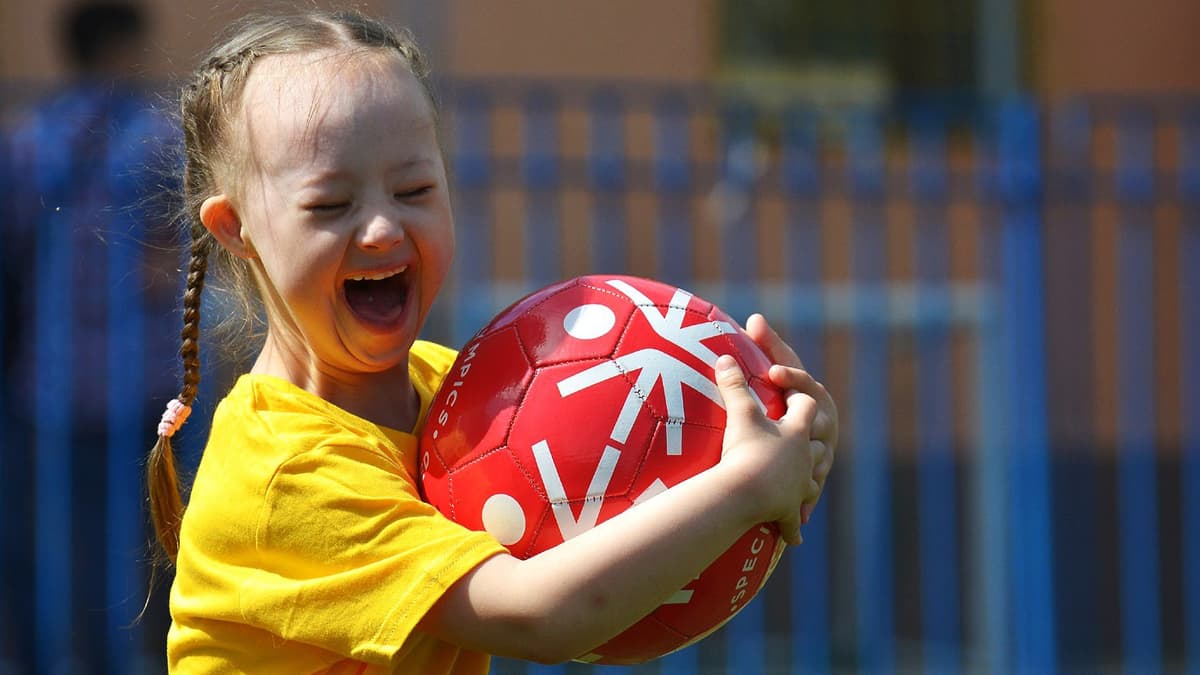
Every child deserves the chance to run, play, compete, and celebrate alongside their peers. When we create spaces where children of different abilities can participate together, we're doing much more than organising sports activities—we're helping build confidence, encourage understanding, and create friendships that can last a lifetime.
Inclusive sports programs are changing the way we think about participation by focusing on what children can do instead of what they can't. Rather than leaving some children on the sidelines, these programs adapt activities so everyone has a meaningful role to play. The result is a healthier, more connected, and more welcoming environment where every child has the opportunity to grow.
Giving Every Child the Opportunity to Participate
One of the biggest strengths of inclusive sports is that they make room for everyone. Instead of expecting every child to fit the same model, the activities are adapted to suit different abilities and needs.
Children with a wide range of physical and developmental differences participate, and some may require adaptive equipment or additional support to fully engage in team activities. In some cases, congenital conditions may also influence how children experience sports and social interactions. Inclusive programs help ensure these differences never become barriers to participation or belonging.
Whether it's modified soccer, adaptive basketball, accessible swimming lessons, or cooperative playground games, children can enjoy the excitement of being part of a team while participating in ways that work best for them.
When participation becomes the focus instead of perfect performance, children are more willing to try new things, build new skills, and enjoy being active.
Read also: Exclusive: How Shahbaz Ahmed's One Simple Tip Transformed Rahul Prasad Into a Dominant All-Rounder.
The Physical Benefits Go Beyond Exercise
Regular physical activity is important for every child, and inclusive sports make those benefits available to more families.
Taking part in these programs can help children improve:
- Cardiovascular health
- Strength and endurance
- Balance and coordination
- Flexibility and mobility
- Motor skills
- Overall confidence in movement
Just as importantly, children often develop a positive attitude toward staying active, creating healthy habits they can carry with them throughout life.
Confidence Grows Through Positive Experiences
Every achievement, no matter how small, helps build confidence.
For one child, success might mean scoring a goal. For another, it could be joining a team activity for the first time or learning a new skill. Inclusive sports recognise and celebrate personal progress rather than comparing children against one another.
When children feel supported and encouraged, they're more likely to step outside their comfort zone, try new challenges, and believe in their own abilities.
Friendships Naturally Develop Through Shared Activities
Some of the most meaningful friendships begin through shared experiences, and sports provide plenty of opportunities for children to connect.
Working together, cheering for teammates, and overcoming challenges as a group help children see each other beyond their differences. They learn to appreciate personalities, shared interests, and teamwork rather than focusing on physical or developmental differences.
These friendships often continue beyond the playing field, helping children feel more connected at school and within their wider community.
Social Skills Improve in Everyday Situations
Inclusive sports don't just support physical development—they also create valuable opportunities to strengthen social skills.
As children play together, they naturally practice:
- Teamwork
- Communication
- Listening skills
- Cooperation
- Problem-solving
- Patience
- Respect for others
- Encouraging teammates
- These everyday experiences help children become more confident in social situations while learning how to work successfully with different kinds of people.
Learning Empathy and Respect from an Early Age
Inclusive environments help children develop understanding in a natural and positive way.
By playing alongside peers with different abilities, children learn that everyone has unique strengths and different ways of approaching challenges. They begin to appreciate determination, creativity, resilience, and teamwork rather than focusing on limitations.
These lessons often stay with them long after the game is over, helping create more accepting and inclusive communities in the future.
Read also: Feature: IPL - The original ‘sadak se uthaakar star’ creator.
Families and Communities Benefit Too
The positive impact of inclusive sports reaches well beyond the children participating.
Parents often build supportive relationships with other families, coaches gain valuable experience in inclusive practices, and schools strengthen their commitment to accessibility and equal participation.
Communities that embrace inclusive recreation also create stronger connections between residents while promoting greater awareness of accessibility and inclusion in everyday life.
Creating the Right Environment for Success
Successful inclusive sports programs don't happen by accident. They rely on thoughtful planning and a commitment to making participation possible for everyone.
Important elements often include:
● Accessible facilities
● Adaptive equipment
● Flexible game rules
● Supportive and trained coaches
● Safe and welcoming environments
● Open communication with families
● Individual approaches that meet different needs
When these pieces come together, children can participate with confidence and enjoy the experience alongside their peers.
Breaking Down Barriers One Game at a Time
Many assumptions disappear when children simply have the chance to play together.
Shared activities help replace uncertainty with familiarity and understanding. Instead of seeing differences first, children begin to recognize shared interests, teamwork, determination, and friendship.
Over time, these everyday experiences help create more inclusive schools, stronger communities, and greater acceptance for everyone.
Looking Ahead to a More Inclusive Future
Inclusive sports programs are about much more than games or competition. They're about creating opportunities for every child to belong, participate, and be valued.
When children of all abilities learn and play together, everyone benefits. Physical health improves, confidence grows, friendships flourish, and communities become more connected.
By supporting inclusive sports, we help create environments where every child has the chance to be active, make friends, and discover their potential—while learning that everyone deserves a place on the team.


![Making a Cross-Country Road Trip for Sports? Knowing When to Ship Your Car Instead [2026]](/_next/image?url=https%3A%2F%2Fpub-fc6b0668ad0242ec8180d92255407043.r2.dev%2Fsportzpoint%2F1775388742979-road-trip-motor-home.jpg&w=3840&q=75)